Electric On Demand Water Heater . The usual use age in the bathroom is 5 gallons per minute; The electric and fluid systems are completely separated to prevent electric leakage and water pipe corrosion. Tankless Water Heater Electric Whole House ECO Instant Hot On Demand from www.ebay.ca This 13 kw electric water heater is 99.8% energy efficient. Stiebel eltron tempra 24 plus 36kw electric tankless water heater. Within the heat exchanger, there is an electric resistance coil that warms the water to the desired temperature as it travels through.
Cold Water Swimming With A Cough. Subjects are asymptomatic prior to water immersion and develop symptoms during or after swimming. Your body continues to lose heat, blood shunts to the core to keep organs warm.
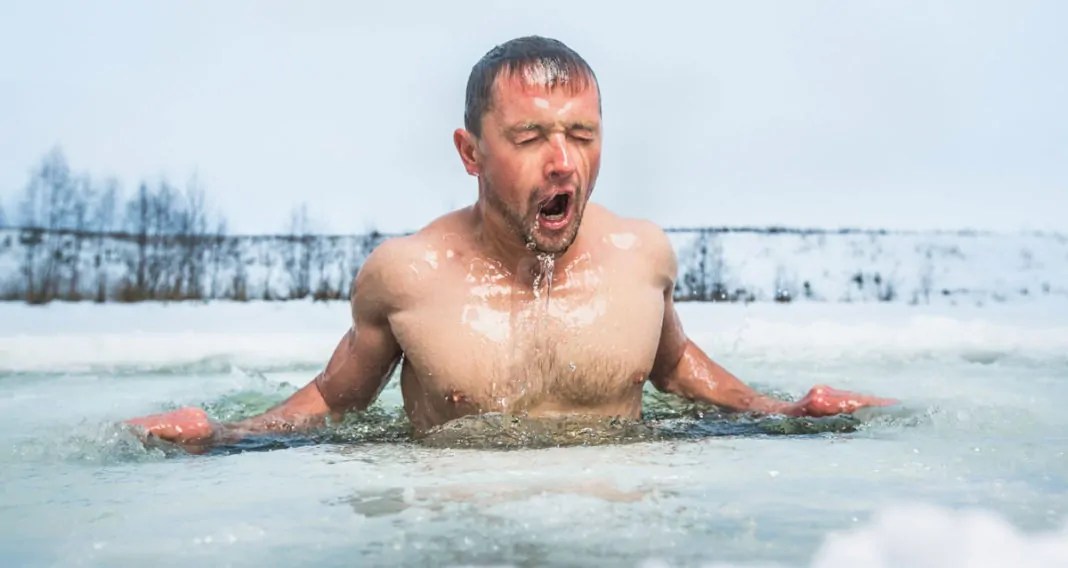
Cold Water Swimming Health Benefits 2020 Butterfly Labs from butterflylabs.com
Sipe can be described as an attack of shortness of breath that is out of proportion to the effort being put in, during or immediately after swimming. Pulmonary edema is a condition where fluid collects in the lungs. The case is reported of a physically fit man, who, while training for a triathlon, developed pulmonary oedema secondary to swimming in cold water.
In A Review Of 70 Young Healthy Males Diagnosed With Sipe, The Most Commonly Reported Symptoms Were Dyspnea (100%), Cough (96%), Hemoptysis (56%), Wheeze (9%) And Chest Tightness (9%).
Float for the first few minutes and wait for the cold shock to pass and for you to regain control of your breathing. Sometimes a cold is accompanied by sneezing and a runny nose, your breathing may also suffer because of congestion, and your eyes are watery and cannot focus. It can be triggered by swimming in colder water.
Keep Your Germs From Spreading.
From a dictionary of practical materia medica: So, yes, since the bacteria that cause the common cold can enter water, you can catch a cold from swimming in a pool. Subjects are asymptomatic prior to water immersion and develop symptoms during or after swimming.
Can Swimming In Cold Water Cause Cough?
Pulmonary oedema is usually caused by a combination of exercise and cold water, resulting in an increase in cardiac preload and after load, which causes an increase in pulmonary capillary pressure. Your body continues to lose heat, blood shunts to the core to keep organs warm. Coughs and sneezes coughs and sneezes spread diseases and colds are viruses caught from humans and.
When You Decide To Swim With A Cold, It's Your Responsibility.
So what's truth about the cold water and the common cold? All you need is an onion, ginger root, lemons and honey. 4.it does not feel right to swim when you have a cold.
The Reason Some Doctors Will Advise Against Exercising When You’re Sick, Especially If It’s Below The Neck, Is Because There Are Risks.
It is a very real. Hypothermia refers to a drop in core body temperature to below 35c (normal body temperature is between 36.5c and 37.5c), which can be serious if not spotted and treated quickly. Your muscles lose power, limbs become slow and heavy, and swimming becomes increasingly difficult.


Comments
Post a Comment